
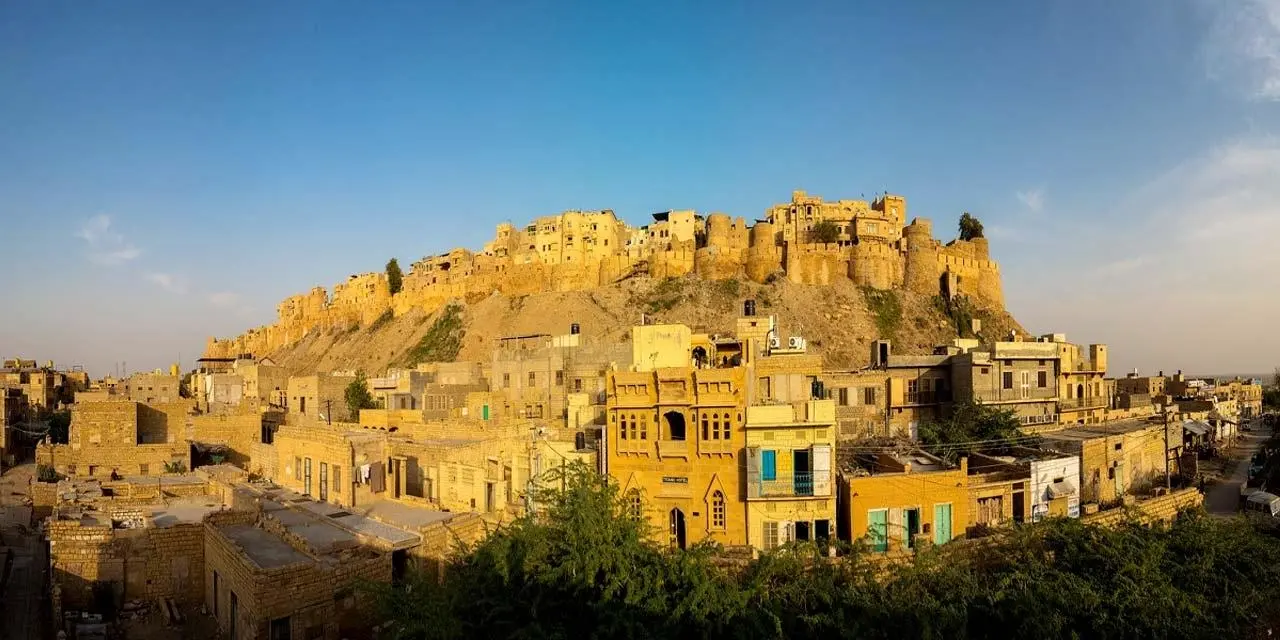
The best time to visit Jaisalmer depends on the weather you prefer and the experiences you want to enjoy. Often called the Golden City of Rajasthan, Jaisalmer is known for its sandstone fort, historic havelis and sweeping landscapes of the Thar Desert.
A pleasant winter morning is ideal for walking through the old city, while a hot summer afternoon can make outdoor sightseeing tiring. The season also affects how comfortable a desert safari feels, what you should pack and how much time you should allow for exploring.
The best time to visit Jaisalmer is generally from November to February, when daytime conditions are usually more comfortable for sightseeing and desert activities. October and March can also be good choices, although temperatures may be warmer. Summer requires more careful planning because of the intense desert heat.
Here is a practical month-by-month guide to help you choose the right time for your trip.
Quick Answer: When Should You Visit Jaisalmer?
- Best overall season: November to February
- Best for comfortable sightseeing: November, February and much of December or January, depending on the weather
- Best for desert safaris: The cooler months, particularly November to February
- Best for fewer peak-season visitors: Consider the shoulder months, such as October or March, while checking the forecast
- Months requiring the most heat precautions: April to June
- Monsoon period: July to September, when occasional rainfall and changing conditions can affect outdoor plans
These are general seasonal guidelines, not guarantees. Actual temperatures, rainfall, visitor numbers and activity availability vary from year to year.
Jaisalmer Weather Throughout the Year
Jaisalmer has an arid desert climate. Summers can be extremely hot, while winter days are generally more suitable for exploring outdoors. Nights in winter can be surprisingly cold, so packing only light clothing is a mistake many visitors make.
The following overview will help you decide which season suits your travel style.
Winter: November to February
Winter is generally the most comfortable season for a Jaisalmer trip. Daytime temperatures are usually more manageable than in summer, making it easier to explore the fort, visit historic havelis, walk through local markets and spend time outdoors.
This is also a popular period for desert experiences. You can plan a camel safari, watch the sunset over the dunes or consider staying overnight at a desert camp without dealing with the same daytime heat experienced in summer.
However, winter is not uniformly warm. Early mornings and late evenings can feel cold, especially in the open desert. December and January can bring a substantial difference between daytime and nighttime temperatures.
Why visit during winter?
- More comfortable conditions for walking and sightseeing
- A good season for desert safaris and sunset visits
- Pleasant opportunities for photography and outdoor dining
- Suitable weather for combining heritage attractions with desert experiences
What to keep in mind: Winter is a popular travel period, so accommodation and well-regarded desert camps may be in greater demand. Compare options and book ahead if your dates are fixed.
What to pack: Comfortable walking shoes, breathable daytime clothing, sunscreen and a warm jacket or sweater for evenings.
Summer: April to June
Summer is the most challenging season for many visitors. Temperatures in the Jaisalmer region can rise above 40°C, and extreme heat can make long outdoor activities uncomfortable or unsafe.
The heat is especially important to consider if you plan to spend hours walking through Jaisalmer Fort, exploring open heritage sites or travelling across the dunes during the day.
A summer trip is still possible, but it needs a different approach. Plan outdoor sightseeing early in the morning and later in the evening, and use the hotter part of the day for indoor activities, rest or travel in suitable air-conditioned transport.
Why consider summer?
- It may suit travellers with fixed dates or limited flexibility
- Some visitors may find it easier to plan around quieter travel periods
- You can still explore the city’s heritage if you manage the heat carefully
What to keep in mind: Do not choose summer solely because you expect lower prices or fewer crowds. Confirm accommodation costs, check the forecast and make sure the planned activities are suitable for the conditions.
What to pack: Light, breathable clothing, a wide-brimmed hat, sunglasses, sunscreen and sufficient drinking water.
Avoid strenuous outdoor activities during the hottest part of the day. If temperatures are extreme, change your plans rather than trying to complete the itinerary as originally scheduled.
Monsoon: July to September
The monsoon brings a chance of rainfall and changing weather to the region. Jaisalmer is in western Rajasthan’s arid zone, so conditions differ from places that receive heavier monsoon rainfall.
Rain can occasionally change the appearance of the landscape, but it can also affect road journeys, outdoor schedules and desert activities. Do not assume that every day will be rainy—or that the desert will remain completely dry.
This period may appeal to travellers who have flexible plans and want to consider a trip outside the main winter season. However, it is important to check local conditions before booking activities that depend on the weather.
Why consider the monsoon?
- It offers a different seasonal perspective on the desert region
- Flexible travellers may find it easier to avoid the busiest winter dates
- Heritage sightseeing remains possible when conditions are suitable
What to keep in mind: Outdoor excursions can be affected by rain, muddy surfaces or changes in access. Confirm your safari and transport arrangements close to the travel date.
What to pack: Lightweight clothing, comfortable shoes with a good grip, a compact rain jacket or umbrella and protection for electronics.
Autumn and Early Spring: October and March
October and March can be useful shoulder-season options for travellers who cannot visit during the main winter months.
October follows the monsoon period, while March marks the transition towards hotter weather. Both months can offer opportunities to explore the city, but daytime temperatures may be warmer than in the heart of winter.
If you visit during these months, plan the most demanding outdoor activities for the morning or late afternoon. Check the forecast rather than assuming that the season will automatically be comfortable.
Why consider these months?
- They can work well for travellers with flexible schedules
- You may be able to plan a mix of city sightseeing and desert activities
- They offer alternatives to the busiest winter travel dates
What to keep in mind: March can become hot, and October can still experience warm days. Confirm current conditions before finalising your itinerary.
Best Time to Visit Jaisalmer Month by Month
Use this month-by-month overview as a starting point when planning your dates.
January
January is usually one of the coolest months in Jaisalmer. Daytime sightseeing can be comfortable, while mornings and nights may feel cold.
It is a good choice for exploring the fort, visiting havelis and arranging a desert safari. Carry warm clothing if you plan to stay overnight at a desert camp.
February
February generally offers a good balance of comfortable weather and outdoor sightseeing opportunities. It is a strong option for travellers who want to combine the city’s historic attractions with desert activities.
Check the forecast for your dates, as temperatures gradually begin to rise towards the end of winter.
March
March is a transition month. Early March may still be suitable for outdoor exploration, but warmer afternoons become increasingly important to consider.
Schedule walking tours and desert activities for cooler hours, and avoid building an overly packed itinerary.
April
April brings significantly hotter conditions. A trip is possible, but outdoor sightseeing can be tiring during the day.
If travelling this month, prioritise early mornings, late afternoons and comfortable indoor breaks.
May
May is typically among the hottest months. Extended exposure to the sun can be uncomfortable, especially on exposed dunes or while walking through open heritage areas.
This is not the best choice for travellers whose main priority is relaxed outdoor sightseeing. If your dates are fixed, plan carefully and be prepared to change activities according to the weather.
June
June can remain extremely hot, and conditions may be affected by changing pre-monsoon weather. It is important to check the forecast and any relevant local advisories before travelling.
Keep outdoor activities short and avoid strenuous sightseeing during peak heat.
July
July falls within the monsoon period. Rainfall and humidity can vary, and outdoor activities may need to be adjusted.
If you visit, confirm transport and excursion arrangements and keep some flexibility in your schedule.
August
August can bring further monsoon rainfall, although the amount and timing vary. The city can still be explored when conditions permit, but outdoor plans should not depend on uninterrupted dry weather.
Check the local forecast before travelling to desert areas.
September
September is a transition towards the post-monsoon season. Conditions may vary from year to year, so check the weather rather than relying on the calendar alone.
Flexible itineraries are useful if you want to combine sightseeing with outdoor excursions.
October
October is a shoulder-season option worth considering. Conditions begin to move towards the cooler part of the year, although some days can still be hot.
It can suit travellers who prefer to plan around the weather and avoid assuming that winter conditions have already arrived.
November
November is generally a very good time to visit Jaisalmer. The weather is usually more suitable for exploring the fort, walking through the old city and arranging desert experiences.
It is a strong month for first-time visitors who want a balanced itinerary with both heritage and outdoor activities.
December
December is a popular month for a Jaisalmer trip. Daytime sightseeing is often pleasant, and the cooler evenings create a different atmosphere in the desert.
Nighttime temperatures can fall considerably, so pack a warm layer. If you are travelling during busy holiday dates, arrange accommodation and important excursions in advance.
Best Time to Visit Jaisalmer for Different Experiences
The right travel dates also depend on what you want to do.
Best Time for a Desert Safari
November to February is generally the most comfortable period for a desert safari. The cooler weather makes it easier to enjoy the dunes, particularly around sunset.
Camel and jeep safari availability depends on the operator, location and local conditions. Confirm the duration, route, transport and inclusions before booking.
If you visit in summer, avoid assuming that a sunset activity removes every heat-related risk. Conditions can remain very hot, so follow local guidance.
For more ideas, read our guide to the Best Things to Do in Jaisalmer.
Best Time for Jaisalmer Fort and Havelis
The cooler months are generally best for walking around Jaisalmer Fort and exploring the historic havelis. You can spend more time noticing architectural details without having to work around intense afternoon heat.
October and March can also work, depending on temperatures. During warmer periods, start early and take breaks.
See our guide to the Best Places to Visit in Jaisalmer for sightseeing ideas.
Best Time for Photography
For photography, softer light is often more important than a particular month. Early mornings and late afternoons can bring out the golden tones of the sandstone and create longer shadows across the desert.
Winter can be especially convenient because the weather is generally more comfortable for spending time outdoors. However, clear skies, haze and local conditions all affect the final result.
Best Time for an Overnight Desert Camp
The cooler months are usually more comfortable for an overnight camp, particularly if you want to spend time outdoors after sunset.
Before booking, ask about bedding, bathroom facilities, heating, meals and transport. Nighttime desert temperatures can be much lower than daytime temperatures, so choose accommodation that suits the season.
Best Time for Families
For many families, November to February is the easiest period to plan around. Comfortable daytime conditions can make heritage walks and outdoor activities more manageable.
Choose activities according to the ages and comfort of everyone travelling. Keep water, sun protection and warm clothing available, and avoid trying to fit too many distant attractions into one day.
Is Jaisalmer Worth Visiting in Summer?
Yes, but summer visitors should have realistic expectations.
The main challenge is the heat, which can make long walks and open-air activities exhausting. You may need to change the pace of your trip, shorten outdoor excursions and spend more time resting during the day.
If you have a choice of dates and want to enjoy the desert, walking tours and outdoor sightseeing with fewer weather-related constraints, the cooler months are generally a better starting point.
If you must travel in summer, plan around the forecast, drink water regularly, wear sun-protective clothing and follow local advice. Seek a cooler indoor environment if you begin to feel unwell.
What to Pack for Jaisalmer
Your packing list should reflect the season.
For winter:
- Comfortable walking shoes
- Light daytime clothing
- A warm jacket or sweater for evenings
- Sunscreen and sunglasses
- A warm layer for an overnight desert stay
For summer:
- Breathable, sun-protective clothing
- A hat and sunglasses
- Sunscreen
- Reusable water bottle
- Comfortable footwear
- A plan for resting during the hottest hours
For the monsoon and shoulder months:
- Comfortable shoes with a good grip
- A lightweight rain jacket or umbrella when appropriate
- Sun protection
- Clothing suited to variable temperatures
- Flexible plans for outdoor activities
How Many Days Should You Spend in Jaisalmer?
The ideal length of your visit depends on the experiences you want to include.
One day: Focus on the fort, one or two nearby heritage attractions and a relaxed meal. A desert excursion may be possible, but the schedule will be tight.
Two days: Spend one day exploring the old city and another combining a heritage stop with a desert safari or sunset visit.
Three days: Enjoy the main attractions at a slower pace and leave room for an overnight desert camp, additional heritage sites or a nature-focused excursion.
Read our Complete Jaisalmer Travel Guide for help organising your route.
Frequently Asked Questions
What is the best month to visit Jaisalmer?
November and February are useful months to consider because they generally offer comfortable conditions for sightseeing and desert activities. December and January can also be excellent, although nights may be cold and visitor demand can be higher.
Which months should I avoid visiting Jaisalmer?
If you are sensitive to extreme heat and want to spend considerable time outdoors, April to June can be challenging. That does not mean a visit is impossible, but it requires careful planning and heat precautions.
Is December a good time to visit Jaisalmer?
Yes. December is popular for its generally pleasant daytime conditions and opportunities for desert experiences. Carry warm clothing for mornings and evenings, and reserve accommodation ahead of busy holiday dates.
Can I visit Jaisalmer during the monsoon?
Yes, provided you remain flexible and check local conditions. Rainfall varies, and it can affect outdoor activities or travel plans. Confirm excursions and transport before departure.
Is two days enough for Jaisalmer?
Two days are enough for a useful introduction to the city, including its fort, havelis and a desert experience. Three days provide more flexibility and allow you to explore at a slower pace.
Does Jaisalmer get cold at night?
Yes. Winter nights can be cold even when daytime conditions feel comfortable. Bring warm clothing, especially if you are staying in a desert camp.
When is the best time for a camel safari?
The cooler months, generally November to February, are often the most comfortable. Confirm conditions and arrangements with a reputable operator before booking.
Final Thoughts
For most travellers, November to February is the best time to visit Jaisalmer because the weather is generally more suitable for walking through the Golden Fort, exploring historic havelis and enjoying the Thar Desert.
October and March can also be worth considering, while summer trips need careful planning around the heat. The monsoon offers another possibility for flexible travellers, provided local weather and activity conditions are checked.
Choose dates that match your priorities, pack for both daytime and nighttime temperatures, and leave enough room in your itinerary to enjoy the city without rushing.
Start planning with our Complete Jaisalmer Travel Guide, explore the Best Places to Visit in Jaisalmer and discover the Best Things to Do in Jaisalmer.