
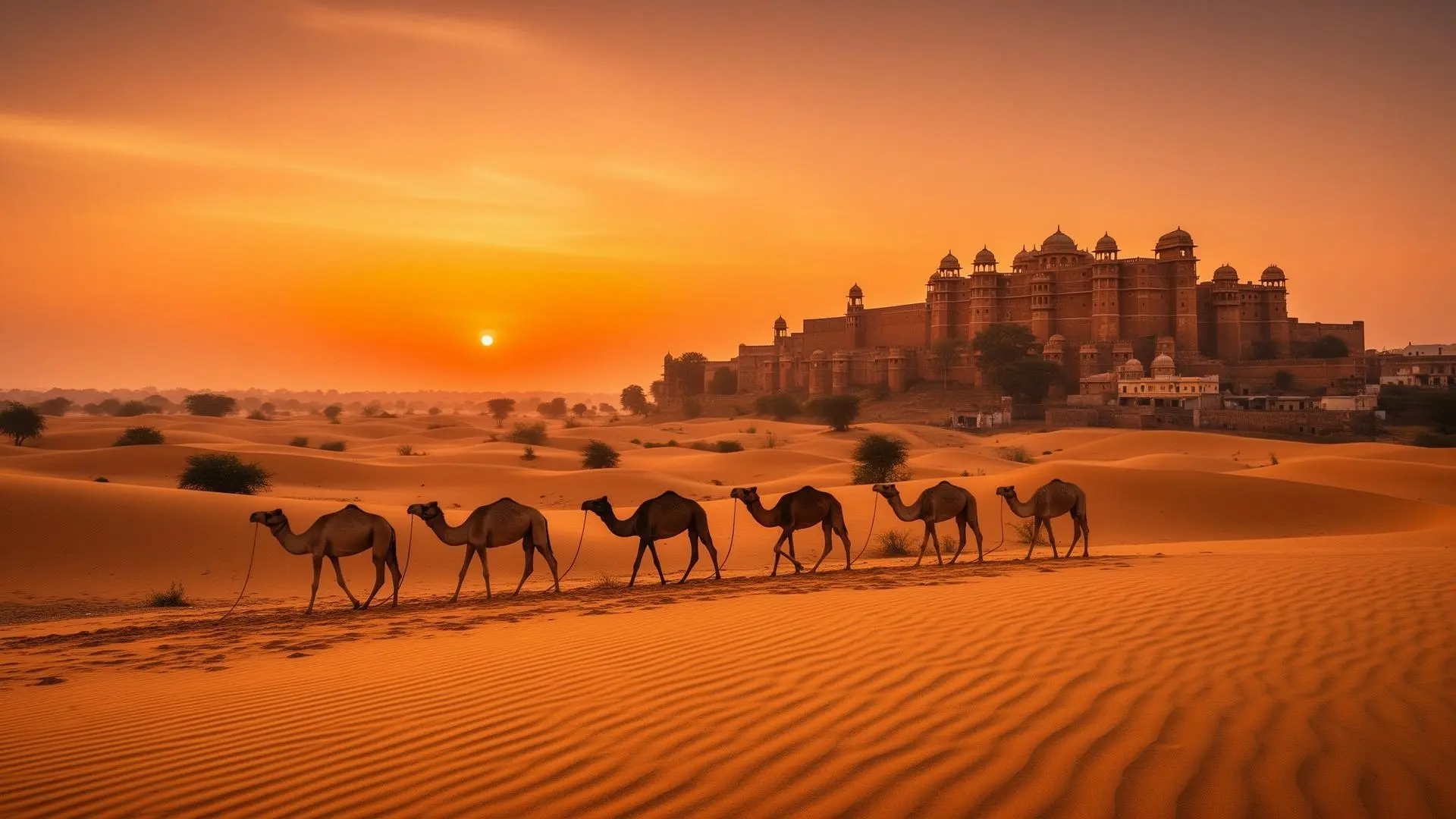
Jaisalmer is more than a city of golden sandstone buildings. It is a place where you can wander through centuries-old lanes, watch the Thar Desert change colour at sunset, listen to traditional Rajasthani music beneath the night sky and experience the slower rhythm of desert life.
Whether you are planning a short weekend trip or a longer Rajasthan holiday, choosing the right experiences can make your visit memorable. You do not need to book every activity or spend every evening at a desert camp. A thoughtful mix of heritage, local food, outdoor experiences and unhurried exploration is often enough.
Here are the best things to do in Jaisalmer, along with practical advice on how to plan them.
15 Best Things to Do in Jaisalmer
1. Explore Jaisalmer Fort on Foot
Walking through Jaisalmer Fort is one of the most rewarding experiences in the city. Known as Sonar Qila or the Golden Fort, it rises above the surrounding settlement and is distinctive because it remains a living neighbourhood, with homes, shops and other everyday activity inside its walls.
Rather than rushing from one landmark to another, take time to explore its narrow lanes. Notice the yellow sandstone architecture, carved doorways, small courtyards and changing views across the city.
You can browse local shops, stop for refreshments and discover quieter corners away from the busiest streets. The fort is especially atmospheric when the sandstone catches the softer morning or late-afternoon light.
Best for: First-time visitors, architecture enthusiasts, photographers and history lovers.
Tip: Wear comfortable walking shoes. The lanes can be uneven, and some sections are steep. Remember that people live and work inside the fort, so be respectful when photographing homes or residents.
2. Take a Camel Safari in the Thar Desert
A camel safari is one of Jaisalmer’s signature desert experiences. Riding across sandy terrain offers a different perspective from sightseeing in the city, with wide horizons, scattered vegetation and the distinctive landscape of the Thar Desert.
Many visitors arrange a safari near Sam Sand Dunes, around 40 kilometres from Jaisalmer, although experiences and routes vary by operator.
You can choose a short ride around sunset or look for a longer experience that includes a village visit or an overnight desert stay. Before booking, ask how long the ride lasts, where it takes place and what is included in the price.
Choose an operator that treats animals responsibly. Check that the camel appears healthy, is handled calmly and is not being pushed to carry excessive loads.
Best for: First-time desert visitors, families with older children and travellers looking for a traditional desert experience.
Tip: If you are uncomfortable riding an animal, you can enjoy the dunes on foot or choose another desert activity instead.
3. Try a Jeep Safari over the Sand Dunes
If you prefer speed and a more adventurous ride, a jeep safari may suit you better than a camel safari. These excursions typically take visitors across desert terrain and dune areas, with stops depending on the route and operator.
The experience can be exciting, but the quality varies. Ask whether the price includes dune driving, waiting time at sunset and transport back to your accommodation or camp.
Prioritise licensed, experienced operators who follow local rules and use appropriate safety equipment. Avoid rides that seem reckless or place passengers at unnecessary risk.
Best for: Adventure seekers and travellers who want a motorised desert experience.
Tip: If you are travelling with young children or anyone prone to motion sickness, discuss the route and driving style before booking.
4. Watch the Sunset over the Desert
You do not have to book an expensive activity to appreciate the Thar Desert. Simply watching the changing light over the dunes can become one of the most memorable parts of your trip.
As the sun lowers, the sand shifts through shades of gold, amber and orange. The landscape can look different from one moment to the next, especially when the dunes create long shadows.
Sam Sand Dunes is a popular option, but the atmosphere depends on the location, season and number of visitors. If you prefer a quieter experience, ask a reputable local operator about less crowded places where access is permitted.
Arrive with enough time to settle in rather than rushing in just before sunset.
Best for: Couples, photographers, families and travellers seeking a peaceful desert moment.
Tip: Carry a light jacket during cooler months and bring water. After sunset, temperatures can drop quickly in the desert.
5. Spend a Night at a Desert Camp
An overnight desert camp gives you more time to experience the landscape after the day visitors leave. Depending on the camp, your stay may include a tent or cottage, dinner, folk music, dance performances and time outdoors beneath the night sky.
Not every camp offers the same experience. Some focus on comfort and organised entertainment, while others are simpler and quieter. Compare what is included before making a reservation.
Ask about the type of accommodation, attached bathroom facilities, heating or cooling, meal arrangements, transport and the exact location of the camp. Photos alone may not tell you how remote or comfortable a property will be.
If peace and scenery matter most to you, look for a camp that balances entertainment with respect for the desert environment.
Best for: Couples, families and travellers with at least two days in Jaisalmer.
Tip: An overnight camp is not essential for everyone. If you have limited time or prefer a city hotel, a sunset excursion can still give you a rewarding desert experience.
6. Admire the Intricate Architecture of Jaisalmer’s Havelis
Jaisalmer’s historic havelis reveal the craftsmanship and wealth associated with the city’s trading past. Their carved sandstone façades, balconies, windows and decorative details reward slow exploration.
Patwon Ki Haveli, Nathmal Ki Haveli and Salim Singh Ki Haveli are among the best-known examples. You can visit selected interiors where access is available, but even viewing the exterior details can be worthwhile.
Look closely at the stonework rather than simply taking a photograph and moving on. The details around windows, entrances and balconies often tell a richer story than the overall façade.
Best for: Architecture lovers, photographers, history enthusiasts and anyone interested in traditional craftsmanship.
Tip: Check entry arrangements and opening times locally if you want to visit an interior. Some buildings have restricted access or operate differently from one another.
7. Visit the Jain Temples Inside the Fort
The Jain temples within Jaisalmer Fort are known for their detailed sandstone carvings and religious significance. They offer a quieter cultural experience alongside the busier lanes and shopping areas.
Take time to appreciate the intricate pillars, sculptures and decorative work. If you visit during a religious service or encounter worshippers, keep your voice low and follow the site’s instructions.
Temple access can be subject to specific opening hours, religious observances and visitor rules. Check these before planning your visit, particularly if you are working around a tight itinerary.
Best for: Cultural travellers, architecture enthusiasts and visitors interested in religious heritage.
Tip: Dress respectfully and follow any rules regarding footwear, photography and access to sacred spaces.
8. Shop for Local Handicrafts and Souvenirs
Shopping in Jaisalmer can be an enjoyable way to discover local design and craftsmanship. The markets and shops around the old city offer a range of items, including textiles, embroidered products, jewellery, decorative pieces and souvenirs.
Take time to compare products at different shops. Ask about the material, how an item is made and whether it is locally produced. If you are buying something fragile or valuable, check the quality carefully before paying.
Shopping does not need to become a long activity. Even a short walk through the market can give you a sense of the colours, sounds and everyday rhythm of the city.
Best for: Families, souvenir hunters and travellers interested in crafts.
Tip: Bargaining may be possible in some shops, but keep it friendly and reasonable. Avoid buying products made from protected wildlife or other restricted materials.
9. Taste Traditional Rajasthani Food
Food is an important part of experiencing Jaisalmer. Look for restaurants and local eateries serving regional dishes, including dal baati churma, ker sangri, gatte ki sabzi and traditional thalis. Menus vary, so you may not find every dish at every restaurant.
For breakfast or a quick snack, you can also explore local favourites such as pyaz kachori. If you enjoy sweets, ask about regional preparations available during your visit.
Try a mix of familiar dishes and something new rather than ordering the same meal everywhere. A local recommendation can be useful, especially if you want a simple, traditional meal instead of a tourist-focused menu.
Best for: Food lovers and travellers who want to explore Rajasthan beyond its monuments.
Tip: Choose places with good food-handling practices and a steady flow of customers. If you have dietary restrictions, confirm ingredients before ordering.
10. Enjoy Traditional Rajasthani Folk Music and Dance
Folk music and dance performances are often part of organised desert-camp evenings. Depending on the venue, you may hear traditional instruments, regional songs and performances that reflect Rajasthan’s cultural heritage.
These shows can add atmosphere to a desert stay, especially when combined with dinner and time outdoors. The format, duration and quality vary between venues, so ask what is included before booking a package.
If cultural performances are important to you, choose a venue that presents performers respectfully and makes the programme clear rather than treating it as an unexpected extra.
Best for: Families, couples and visitors interested in regional culture.
Tip: If you do not want to stay overnight at a camp, ask whether an evening programme and dinner can be booked separately.
11. Photograph the Golden City in Different Light
Jaisalmer is especially rewarding for photographers because its sandstone buildings and desert landscapes change appearance with the light.
Early morning can offer softer light and less crowded lanes. Late afternoon brings warm tones to the fort and havelis, while sunset over the dunes creates dramatic silhouettes and long shadows.
You do not need professional equipment to enjoy photography here. A phone camera is enough to capture architectural details, market scenes and broad desert views.
Try a mix of wide shots and close-ups. A photograph of a carved window, a narrow lane or the texture of sandstone can be just as memorable as a panoramic view.
Best for: Photography enthusiasts, content creators and travellers who enjoy exploring at a relaxed pace.
Tip: Ask permission before taking close-up photographs of people, and follow any photography restrictions at temples or other heritage sites.
12. Spend Some Quiet Time at Gadisar Lake
Gadisar Lake offers a different atmosphere from the fort and desert dunes. It is a historic waterbody associated with Jaisalmer’s past, with surrounding structures that make it an interesting place for a relaxed walk and photography.
Depending on current conditions, visitors may also find boating or other visitor facilities available. However, water levels, access and boating arrangements can change, so do not build your entire plan around a particular activity without checking locally.
Visit with realistic expectations: the appeal is the setting and its relationship with the city, rather than a guaranteed water-based experience.
Best for: Travellers seeking a slower stop, photographers and visitors with spare time between sightseeing activities.
Tip: Be mindful of local conditions and keep the area clean. If boating is unavailable, you can still explore the surroundings when access permits.
13. Explore Bada Bagh and Its Cenotaphs
Bada Bagh, north of the main city, is known for its sandstone cenotaphs and historical atmosphere. The chhatris stand against an open landscape, making the site particularly appealing to visitors interested in architecture and photography.
The experience is quieter and more reflective than walking through the busy fort. Allow time to appreciate the arrangement of the structures and the way their shapes stand out against the sky.
It can be combined with other nearby excursions, but remember to account for transport time rather than trying to squeeze too many distant stops into one afternoon.
Best for: History enthusiasts, photographers and travellers who enjoy less hurried sightseeing.
Tip: Check local entry arrangements and any applicable fees before visiting. Treat the site respectfully and avoid climbing on fragile structures.
14. Discover the Desert Beyond the Main Tourist Stops
The Thar Desert is more than a backdrop for camel rides. Its landscape includes sandy areas, rocky ground, sparse vegetation and habitats adapted to dry conditions.
If you are interested in nature, consider an appropriately organised excursion to a suitable area around Jaisalmer or a visit to Desert National Park where permitted. The experience is different from a commercial safari: it is about understanding the landscape and wildlife rather than expecting a guaranteed animal sighting.
Desert wildlife can be elusive, and conditions vary by season. Choose knowledgeable guides, stay on permitted routes and avoid disturbing animals or their habitats.
Best for: Nature lovers, birdwatchers and travellers interested in the ecology of Rajasthan.
Tip: Bring sun protection and water, and check access requirements before travelling to protected areas.
15. Experience Jaisalmer During the Desert Festival
If your travel dates align, the Jaisalmer Desert Festival can add a special cultural dimension to your trip. The festival is associated with colourful processions, folk performances, traditional attire and activities celebrating the region’s desert heritage.
The programme and locations can vary by year, so check the latest official announcements before finalising travel dates. Do not assume that a previous year’s schedule or venue will be repeated exactly.
If attending the festival is a priority, book transport and accommodation with enough notice, as popular dates can be busier than usual.
Best for: Culture enthusiasts, photographers and travellers who want to experience a festival atmosphere.
Tip: Verify the official dates and event schedule before booking non-refundable arrangements.
Which Experiences Should You Prioritise?
You do not need to do all 15 activities. Choose according to your interests and the time you have available.
- First-time visitors: Walk through Jaisalmer Fort, explore a haveli, watch the desert sunset and try regional food.
- Adventure seekers: Consider a camel or jeep safari and an overnight camp, choosing a reputable operator.
- Culture enthusiasts: Visit the Jain temples, admire the havelis, explore local handicrafts and attend a folk performance.
- Photographers: Plan for early-morning architecture, late-afternoon sandstone views and a desert sunset.
- Families: Mix short heritage walks with food stops and a suitable desert excursion. Keep travel times and children’s comfort in mind.
- Nature lovers: Look into permitted desert and wildlife excursions with knowledgeable local guides.
A Simple 2-Day Plan for the Best Things to Do in Jaisalmer
If you have two days, this plan balances the old city with a desert experience without making every hour feel rushed.
Day 1: Heritage, Food and the Old City
Morning: Start with Jaisalmer Fort. Walk through its lanes, enjoy the architecture and explore the areas open to visitors.
Late morning: Visit one or two havelis, such as Patwon Ki Haveli or Nathmal Ki Haveli. Check entry times if you want to explore the interiors.
Lunch: Try a local Rajasthani meal and take a break during the warmer part of the day.
Afternoon: Visit the Jain temples if they are open to visitors, then browse the old city’s markets and handicraft shops.
Evening: Head to a suitable viewpoint or visit Gadisar Lake if local conditions and access make it worthwhile. Finish with dinner in the city.
Day 2: Desert Adventure and Sunset
Morning: Keep the morning relaxed. Depending on your interests, visit Bada Bagh or explore another heritage site you missed on Day 1.
Afternoon: Travel towards the desert with a reputable operator. Confirm the activity, meeting point, return arrangements and total duration in advance.
Late afternoon: Choose a camel safari, jeep safari or a simple walk in a permitted area.
Sunset: Allow time to enjoy the changing colours of the dunes rather than rushing straight back to the vehicle.
Evening: Return to the city or stay overnight at a desert camp if you have booked one and prefer that experience.
This itinerary can be adjusted to suit your pace, weather and opening times. If you have three days, you can spread the activities out and consider a more nature-focused excursion.
Practical Tips for Enjoying Jaisalmer
Choose the right season for outdoor activities
The desert can become extremely hot, particularly in the warmer months. For longer walks and outdoor experiences, check the forecast and plan demanding activities for cooler parts of the day. Our complete Jaisalmer travel guide covers trip planning and seasonal considerations in more detail.
Confirm what your safari package includes
A low advertised price may not cover every activity, transport, meals or a camp stay. Ask for a clear breakdown before paying, including the duration, location and return arrangements.
Leave room for unplanned discoveries
Some of Jaisalmer’s best moments happen while walking slowly through the old city, noticing a carved balcony or stopping for a local snack. Avoid overloading your itinerary with too many distant attractions.
Respect local residents and heritage sites
Jaisalmer Fort is a living neighbourhood, not simply a monument. Ask permission before photographing residents, avoid entering private spaces and follow instructions at temples and historic buildings.
Carry essentials for the desert
Water, sun protection, comfortable footwear and suitable clothing will make outdoor activities easier. In cooler months, bring an extra layer for the evening.
Check local conditions before departure
Opening hours, entry rules, water levels, activity availability and festival schedules can change. Confirm important details with the relevant site, official source or your accommodation shortly before travelling.
Frequently Asked Questions
What are the best things to do in Jaisalmer?
Start with a walk through Jaisalmer Fort, explore the historic havelis, try local Rajasthani food and experience the Thar Desert. A sunset visit to the dunes is a highlight for many travellers, while an overnight camp is an optional addition.
Is a camel safari worth it in Jaisalmer?
A camel safari can be a memorable way to experience the desert, especially for first-time visitors. Choose a responsible operator and compare the duration, route and inclusions before booking. You can also enjoy the dunes without riding a camel.
Is one day enough for Jaisalmer?
One day is enough to see some of the main heritage attractions and arrange a short desert excursion, but the schedule will be tight. Two days provide a more comfortable balance between the old city and the desert.
Should I stay overnight at a desert camp?
An overnight camp is worthwhile if you want an organised evening experience, a night away from the city and more time in the desert. It is not essential, however. Travellers who prefer hotel comfort can choose a sunset trip and return to Jaisalmer.
What can I do in Jaisalmer besides a desert safari?
You can explore the fort, admire the havelis, visit the Jain temples, shop for handicrafts, taste regional food, photograph the old city and discover heritage sites such as Bada Bagh. Your options depend on available time and local access conditions.
What should I wear for desert activities?
Choose comfortable clothes that protect you from the sun, walking shoes or secure footwear, and a hat or other sun protection. In cooler months, bring a warm layer for the evening. Check the forecast before departure.
Is Jaisalmer suitable for a family trip?
Yes, Jaisalmer can work well for families who enjoy heritage, food and outdoor experiences. Choose activities appropriate for everyone’s comfort, avoid overloading the schedule and check the safety arrangements before booking a safari.
Final Thoughts
The best way to experience Jaisalmer is to combine its living heritage with the landscapes and traditions of the Thar Desert. Walk through the Golden Fort, notice the craftsmanship of the havelis, sample regional food and leave enough time to enjoy the desert at sunset.
Choose a few experiences that genuinely interest you rather than trying to fit everything into one trip. That balance will help you appreciate Jaisalmer beyond its famous photographs.
Planning your route? Continue with our Complete Jaisalmer Travel Guide and Best Places to Visit in Jaisalmer for more sightseeing and trip-planning ideas.